Learn how Alameda's coastal wind, salt air, and flood-zone maps can affect maintenance, insurance, and resale—plus practical ways to choose the right block and budget with confidence.

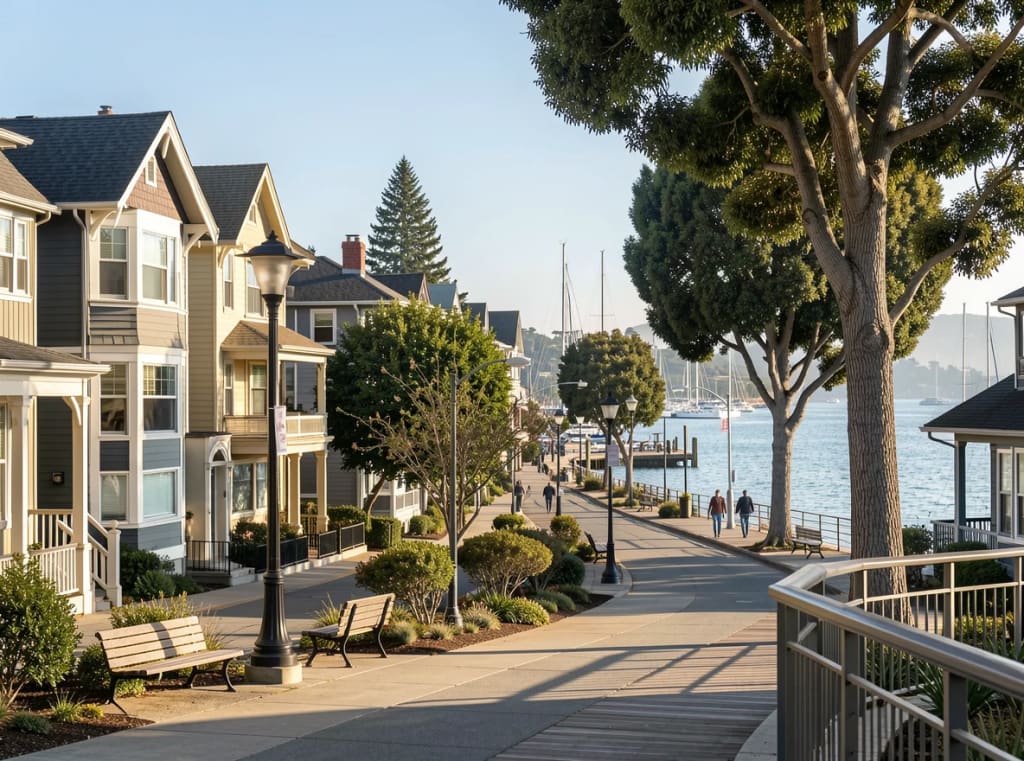
In 2024, East Bay buyers drawn to Alameda's island lifestyle are navigating a market where inventory can feel tight, rates can shift quickly, and micro-location matters more than everespecially near the water. This article focuses on a practical question: how do wind, salt air, and flood maps change the true cost of ownership when you're shopping around the shoreline and the Estuary?
We'll break down what to look for on exterior materials (paint, fasteners, railings, HVAC placement), how coastal exposure can show up in inspection reports, and why insurance and lender requirements may differ depending on FEMA zones and elevation. You'll also learn how to compare blocks near Crown Memorial State Beach and the Oakland/Alameda Estuary so you can balance views, commute options, and long-term maintenancenot just the list price.
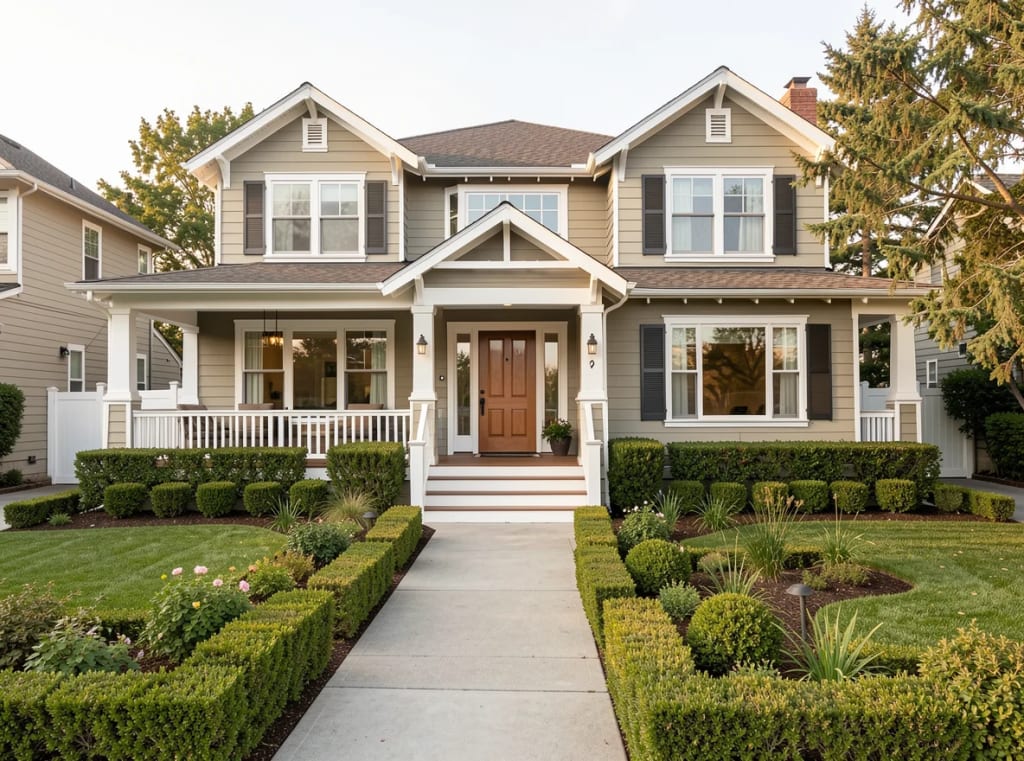
On Alameda Island, the past year has reinforced a familiar pattern: homes closest to the water don't all behave the same in the market. Inventory has tended to feel "lumpy" rather than steady—when a few waterfront-adjacent listings hit at once (near the Estuary or along Shore Line Drive), buyers suddenly have choices, and condition plus exposure to wind and salt air becomes a bigger differentiator. Well-maintained exteriors (fresh paint, newer fasteners, updated windows) often draw faster activity than similar homes showing corrosion, peeling trim, or deferred roof and gutter work.
Pricing has also shown a wider spread between turnkey and "needs-work" properties. Even when broader East Bay demand is healthy, buyers frequently price in near-water ownership costs—coastal-grade materials, more frequent exterior maintenance, and, in some cases, insurance and flood-map considerations. The result is that median price headlines can be misleading: two homes with similar square footage can land in very different ranges based on micro-location (wind exposure, drainage, elevation) and the inspection story. For sellers, pre-listing prep and clear documentation of upgrades can protect value; for buyers, budgeting for exterior and insurance realities can turn a great block into a sustainable long-term choice.
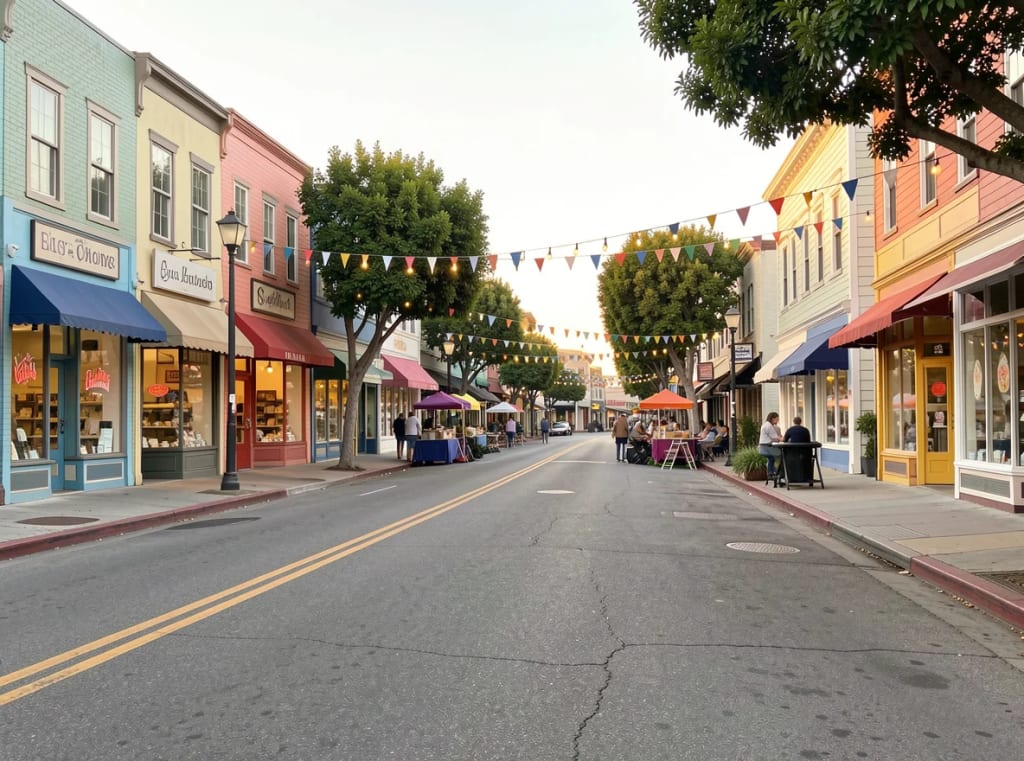
Even when you're focused on Alameda Island living, it helps to understand the bigger East Bay currents shaping pricing, competition, and long-term ownership costs. Tech hiring cycles and startup volatility still ripple through Oakland and Berkeley, but the bigger shift lately has been how people work: hybrid schedules and remote flexibility have widened the search radius. That means buyers who once insisted on a short commute may now prioritize a calmer block, a yard, or proximity to the shoreline—factors that can push demand toward Alameda's waterfront-adjacent neighborhoods.
Migration patterns add another layer. Some households are moving within the East Bay—trading dense, hillside, or older housing stock for flatter streets, ferry access, and a more coastal feel. For waterfront-leaning buyers, this creates both challenges (multiple-offer situations, tighter condo inventory) and opportunities (finding value by comparing micro-locations, flood maps, and wind exposure block by block). The key is pairing lifestyle goals with the practical realities of salt air, maintenance, and insurance.
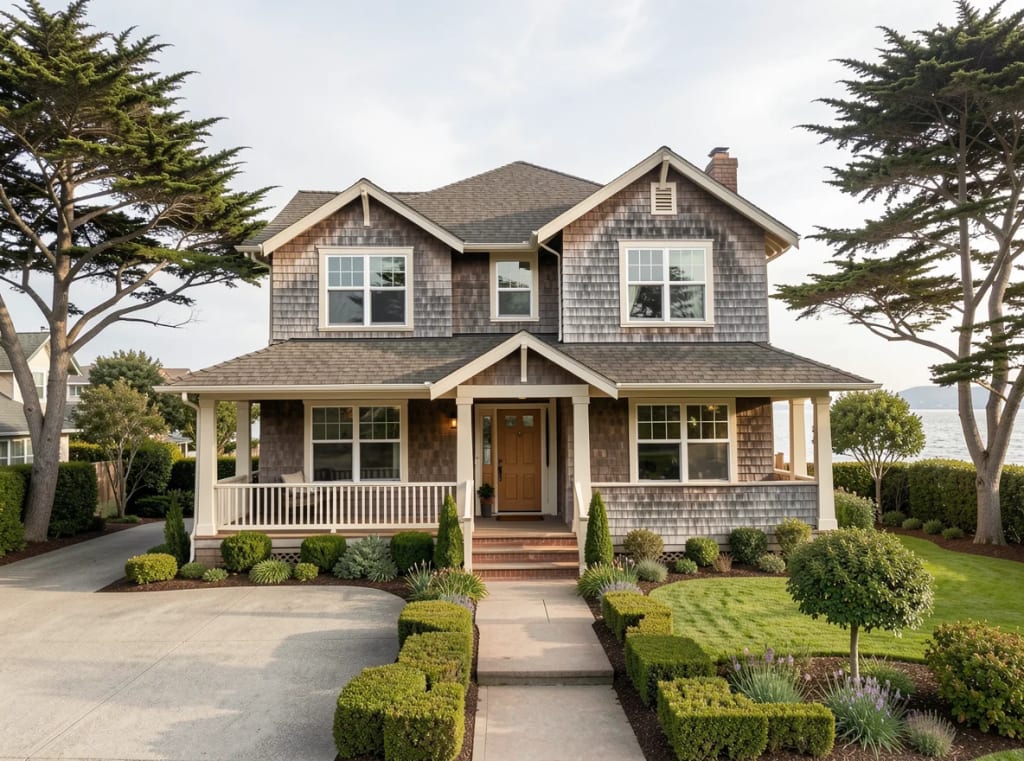
Should I avoid waterfront blocks because of salt air and wind? Not necessarily—but plan for it. On Alameda, steady breezes and marine air can accelerate corrosion on exterior metal (railings, fasteners, HVAC components) and shorten the repainting cycle on wood trim. Ask for a maintenance history, look closely at window/door seals, and budget for more frequent exterior touch-ups—especially on exposed corners and upper stories.
How do flood maps and insurance affect affordability? Start early by checking the property's FEMA flood zone and asking your lender and insurance agent for quotes before you write. Even when a home isn't in a high-risk zone, proximity to the shoreline, elevation, and drainage patterns can influence premiums and deductibles. Review the seller's current policy costs (if available), and confirm whether the HOA (for condos) carries master flood coverage and what it does—and doesn't—include.
What if there are multiple offers? In competitive pockets near the Bay and the Estuary, win with clarity: tighten contingencies only when your inspections and insurance plan support it, and use a repair/credit strategy that reflects real coastal wear (rust, exterior paint, roof edges, and deck waterproofing) rather than cosmetic items.
Alameda Island living can be incredible—but wind, salt air, and flood maps change what "move-in ready" really means. Before you write an offer near the shoreline (including areas around Crown Memorial State Beach and the Oakland/Alameda Estuary), start with financing and insurance: get pre-approved, then ask your lender and insurance agent how a property's flood zone and elevation certificate (if available) may affect premiums and monthly costs.
Next, budget for the waterfront maintenance realities. Plan for faster wear on exterior paint, metal railings, gates, and hardware due to salt air corrosion; prioritize homes with updated coatings, stainless/galvanized components, and well-maintained roof and flashing details. During inspections, request extra attention on crawlspaces, drainage, and any signs of moisture intrusion—especially after winter storms.
If you're selling, a pre-list inspection and targeted repairs can reduce renegotiations and help buyers feel confident about long-term upkeep. Want a block-by-block perspective on tradeoffs? I'm happy to walk through it with you.
Sign in with your email address
You’re being redirected to the page with listing data.